Vertex Medic · Booking and coordination · Not a clinic
Understood
first.
Private cosmetic surgery, understood before you choose it. Then Vertex Medic coordinates the practical side.
Independent surgeons and registered providers make every clinical decision.


§02 Why Vertex Medic
The right people to decide.
Vertex Medic is a booking, marketing, administration and coordination platform. It is not a clinic, a hospital or a medical practice, and it does not employ surgeons.
Understanding first. Every procedure is set out in full before you speak to anyone: what it involves, what it cannot do, the recovery, the risks, the cost, the questions worth asking.
Independent decisions. The surgeon who would operate decides whether it is right for you, explains the alternatives and takes your consent personally. Vertex never decides suitability.
One thread for the rest. Dates, documents, reminders, quotes in writing, and your questions passed to the clinician and their answers brought back. Your surgeon keeps the clinical record; Vertex keeps the rest tidy.
Who does what.
| Responsibility | Vertex Medic | Your surgeon | The registered provider |
|---|---|---|---|
| Whether a procedure is suitable for you | · | Decides, after examining you | · |
| Which procedure, and which technique | Explains the options in plain language | Recommends | Confirms what it can provide |
| Risks, alternatives and what it cannot do | Sets them out on every page | Explains them for you personally | · |
| Your consent | · | Takes it personally, not by delegation | · |
| The operation and clinical aftercare | · | Carries it out and looks after you | Provides the premises, equipment and nursing |
| Complications | · | Manages them clinically | Its governance and the regulator apply |
| The price | Never sets or quotes it | · | Quotes it in writing, itemised |
| Enquiries, dates, reminders and paperwork | Coordinates all of it | · | · |
| Your questions, and their answers | Passes them on and brings answers back | Answers them | · |
Where Vertex Medic is today. Hair is where the platform began and where its documented evidence lives. For face, body and breast procedures Vertex Medic does not yet publish a list of surgeons or providers. When it does, every listing will have passed the Vertex Standard first. Until then these pages describe how the platform works, not who is on it.
§03 How it works
Five steps, and a line
that is not ours to cross.
Vertex Medic does the first two and the last. The surgeon and the registered provider do everything clinical in between.
Explore
Read the procedure in full: what it involves, what it cannot do, the recovery, the risks, the cost drivers and the questions worth asking. On your own time.
Today FreeEnquire
Tell the Vertex Medic booking concierge what you are considering. A real person calls you back within one working day. It is a conversation, not a clinical assessment.
When you are ready FreeIndependent clinical consultation
You meet the surgeon who would operate. They examine you, decide whether the procedure is suitable, explain the risks and alternatives, and take your consent personally. At least two weeks to reflect follow.
The surgeon DecidesProvider and treatment decision
Your surgeon and the registered healthcare provider confirm what will be done, where, and at what price, in writing. You can change your mind at any point, including after you have paid.
The provider Quotes in writingVertex coordination and support
Dates, documents, reminders, and your questions passed to the clinician and their answers back to you, from the first enquiry through recovery. Your surgeon keeps the clinical record.
Vertex Medic Coordinates§04 The Vertex Standard
Version 1.0Published 5 September 2026Applies before any listing
What to check before
you choose anyone.
Eight checks Vertex Medic applies before an independent clinician or registered healthcare provider can be listed, and the same eight you can make yourself, free, in a new tab. Published so you can hold Vertex to it.
01The GMC specialist register
Your surgeon holds a licence to practise and appears on the GMC specialist register in a specialty relevant to your procedure. A GMC number is the minimum; the specialist register shows completed specialist training.
Walk away if a surgeon cannot give you a GMC number.
Check a doctor on the GMC register02RCS cosmetic surgery certification
Where the Royal College of Surgeons certifies the procedure area, your surgeon holds it. Certification is voluntary, so its absence is a question to ask rather than a verdict.
Ask why not, and listen to the answer.
The RCS cosmetic surgery certification scheme03Professional association membership
BAAPS or BAPRAS for aesthetic plastic surgery, BAHRS for hair restoration. Membership is not a licence, but it shows peer standards the surgeon has agreed to work to.
Membership is a signal, never a substitute for the register.
BAAPS member directory04Registration of the premises
The place where surgery happens is registered with the Care Quality Commission, and its entry lists surgical procedures under regulated activities. Outside England: Healthcare Improvement Scotland, Healthcare Inspectorate Wales or the RQIA.
Read the entry, not the badge on the wall.
Find a service on the CQC register05Consent taken by the operating surgeon
The surgeon who will operate explains the procedure, its risks and the alternatives, and takes your consent. GMC guidance says this cannot be delegated.
If someone else asks you to sign, do not sign until you have met your surgeon.
GMC guidance on cosmetic interventions06Time to reflect
At least two weeks between your consultation with the operating surgeon and your decision. You can change your mind at any point and ask for a second opinion.
No price that expires, no offer that pressures.
RCS guidance for patients07Insurance
Your surgeon holds insurance or indemnity that covers this procedure in the UK. You are entitled to ask to see it.
A surgeon who is properly covered will not mind being asked.
What to ask at a consultation08Costs, aftercare and revision in writing
Before you pay anything: the full price, what aftercare is included and for how long, what further surgery would cost, who pays if there is a complication, and what happens to your money if you change your mind.
No surgeon can guarantee an outcome, so the document should say what happens if the outcome is not the one you hoped for.
NHS: before you have a cosmetic procedure
Before you agree to anything.
- You can change your mind at any point, including after you have paid.
- You can take as long as you need, and no less than two weeks, after meeting the operating surgeon.
- You can ask for a second opinion from another surgeon, and ask to see the surgeon's insurance.
- You should never feel rushed by a limited-time price or a two-for-one offer. Vertex Medic runs no countdown clocks and no offers that expire.
- If you feel pressure from anyone, including Vertex Medic, tell us and walk away.
§05 The evidence · Hair
Twelve months, measured.
Hair is where Vertex Medic's documented evidence lives: a real case from the Vertex Medic network, a year apart, in one frame. The line is yours: drag it and look as hard as you like.
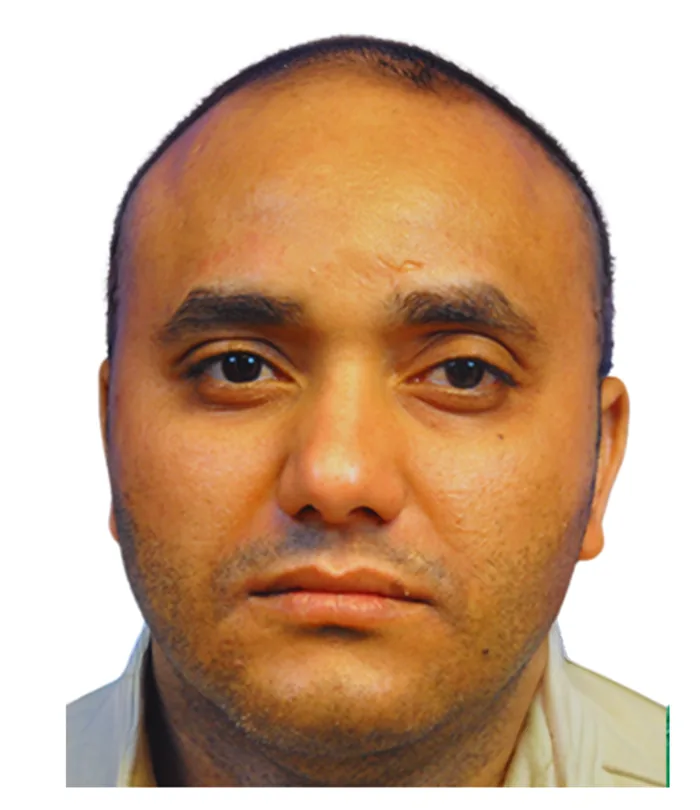
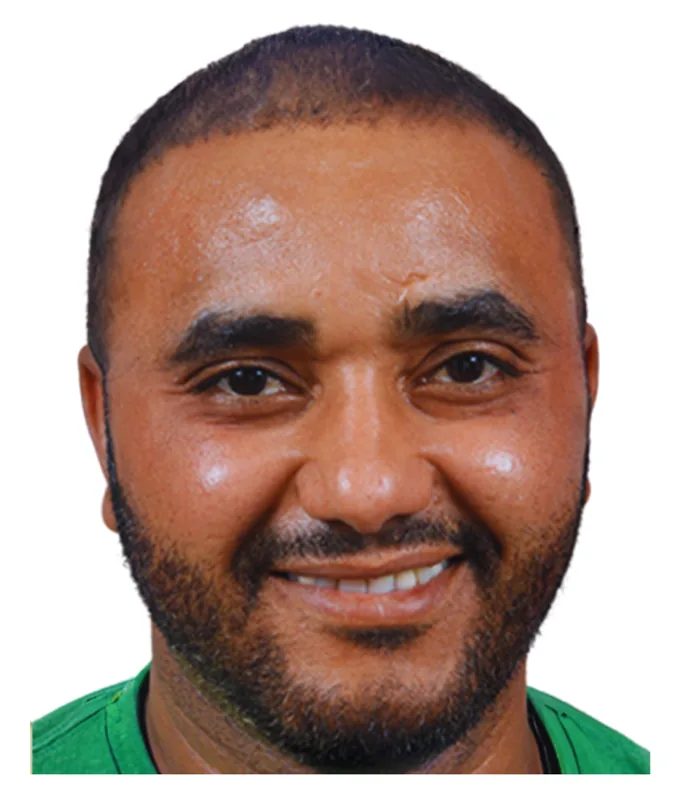
These case studies demonstrate historical procedures performed through the Vertex Medic network. Individual results vary and depend on the clinician you choose. Vertex Medic publishes no before and after photographs for face, body or breast procedures until consented cases exist.
§06 The journal
Read it through
before you decide.
Plain-language guides, written to help you decide well. No pressure to book anything at the end of them. The hair guides are here; for face, body and breast, each procedure page carries its own reading.
§07 Common questions
The things people
actually ask.
Is Vertex Medic a clinic?
No. Vertex Medic is a booking, marketing, administration and coordination platform. It does not diagnose, prescribe or treat, and it does not employ surgeons. Independent clinicians and registered healthcare providers make every clinical decision and deliver every regulated treatment.
Who decides whether a procedure is right for me?
The surgeon who would carry it out. GMC guidance says the doctor performing a cosmetic intervention must discuss it with you and take your consent personally. Vertex Medic helps you understand your options and coordinates the consultation; it never decides suitability.
What does an enquiry involve?
You leave your details and the Vertex Medic booking concierge calls you back within one working day. It is a conversation about what you are considering and what happens next, not a clinical assessment. Nothing is booked until you ask for it.
Does it cost anything to ask?
No. Enquiring, the hair assessment and the first conversation are free. Procedure prices are set and quoted in writing by the registered healthcare provider, never by Vertex Medic.
How much time do I get to decide?
As long as you need. Royal College of Surgeons guidance asks for at least two weeks between your consultation with the operating surgeon and your decision, and you can change your mind at any point.
Which procedures does Vertex Medic cover?
Hair: FUE hair transplant and hair loss assessment. Face: blepharoplasty, rhinoplasty and facelift. Body: gynaecomastia surgery, liposuction and tummy tuck. Breast: augmentation, uplift and reduction. Each has its own page explaining what it involves, the risks, the recovery and the cost.
Where can I see results?
Vertex Medic publishes documented hair transplant cases, shared with patient consent, in the results gallery. It publishes no before and after photographs for face, body or breast procedures until consented cases exist, because a platform cannot substantiate other people's outcomes.